
Commercial truck tires
Steer, drive and trailer tires for class 3 through class 8, in the four wheel sizes American trucks actually run. Real prices per size, what a full set costs, and which position each tire is built for.
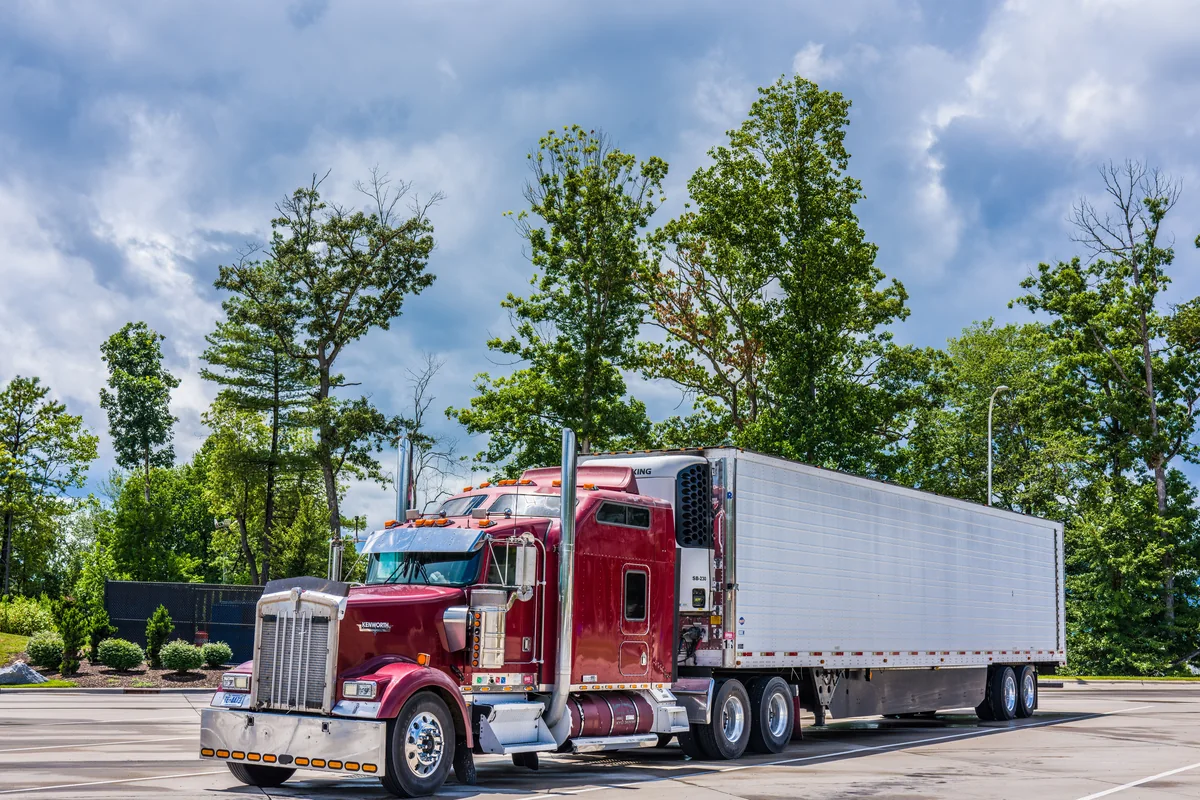
The three positions, and why it matters which you buy
A commercial tire is built for one job on one axle. Putting the wrong one on costs you either traction, tread life or fuel, and on the steer axle it costs you more than that.
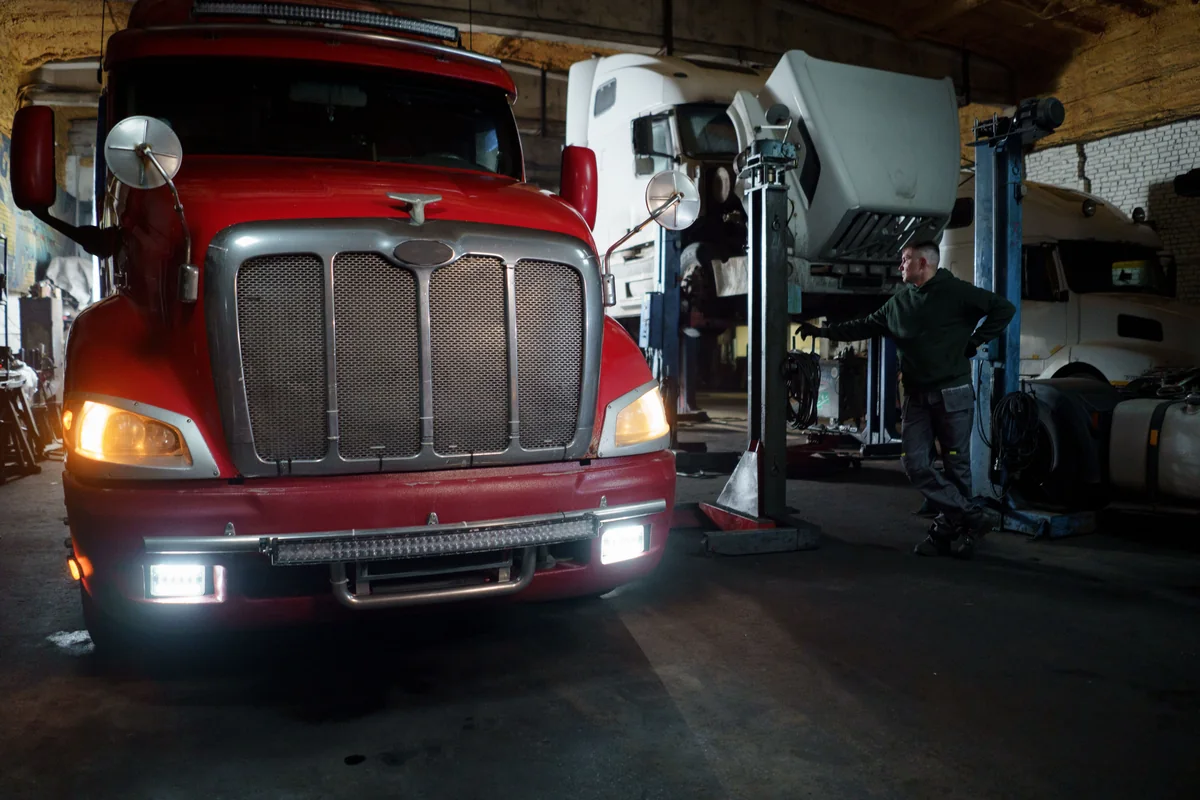
SteerFront axle
The two tires that carry the front axle and do the steering. They wear evenly in ribs rather than blocks, run the highest load per tire on the rig, and are the one position where federal rules ask for more tread: 4/32 inch, against 2/32 for everything else. A steer tire is also the position nobody retreads on a tractor pulling on public roads.
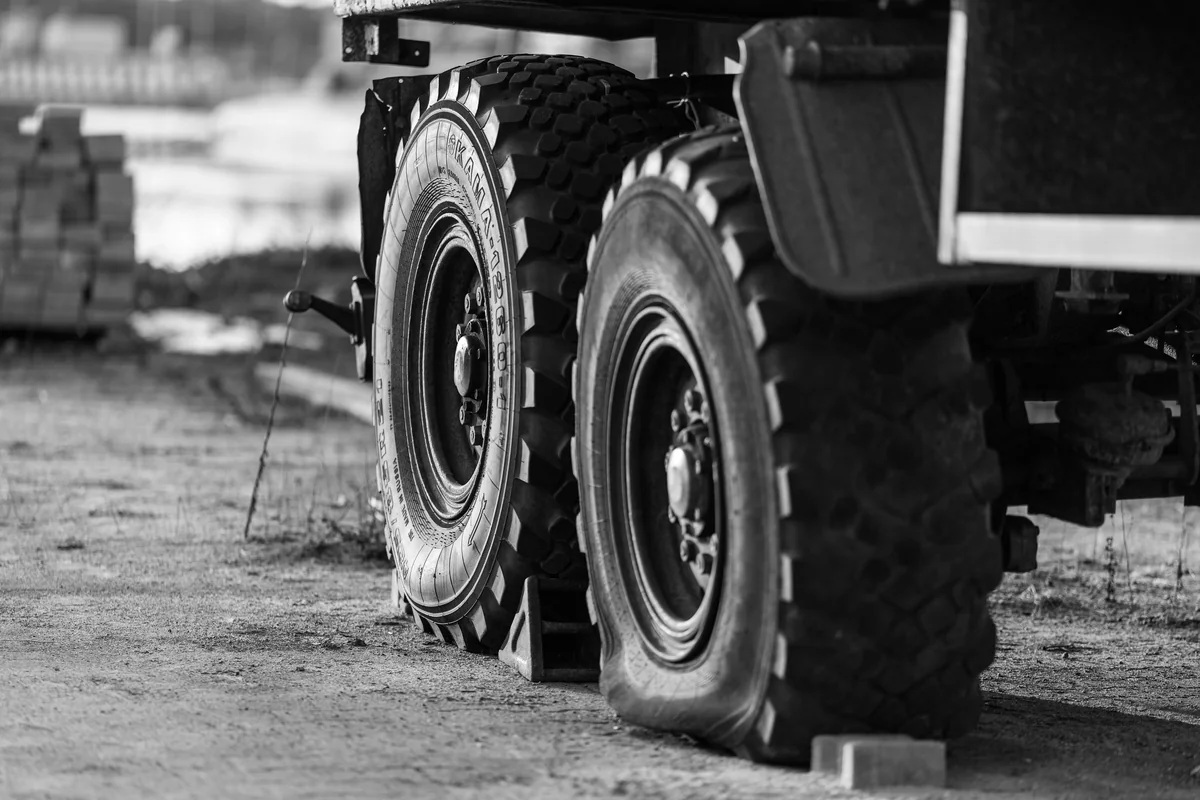
DrivePowered axles
The tires that put the engine's torque on the road, usually eight of them in dual pairs on two axles. Deep, blocky lug tread for traction, which is why they are noisier and wear faster than a steer tire. This is the position where a good retread saves real money.
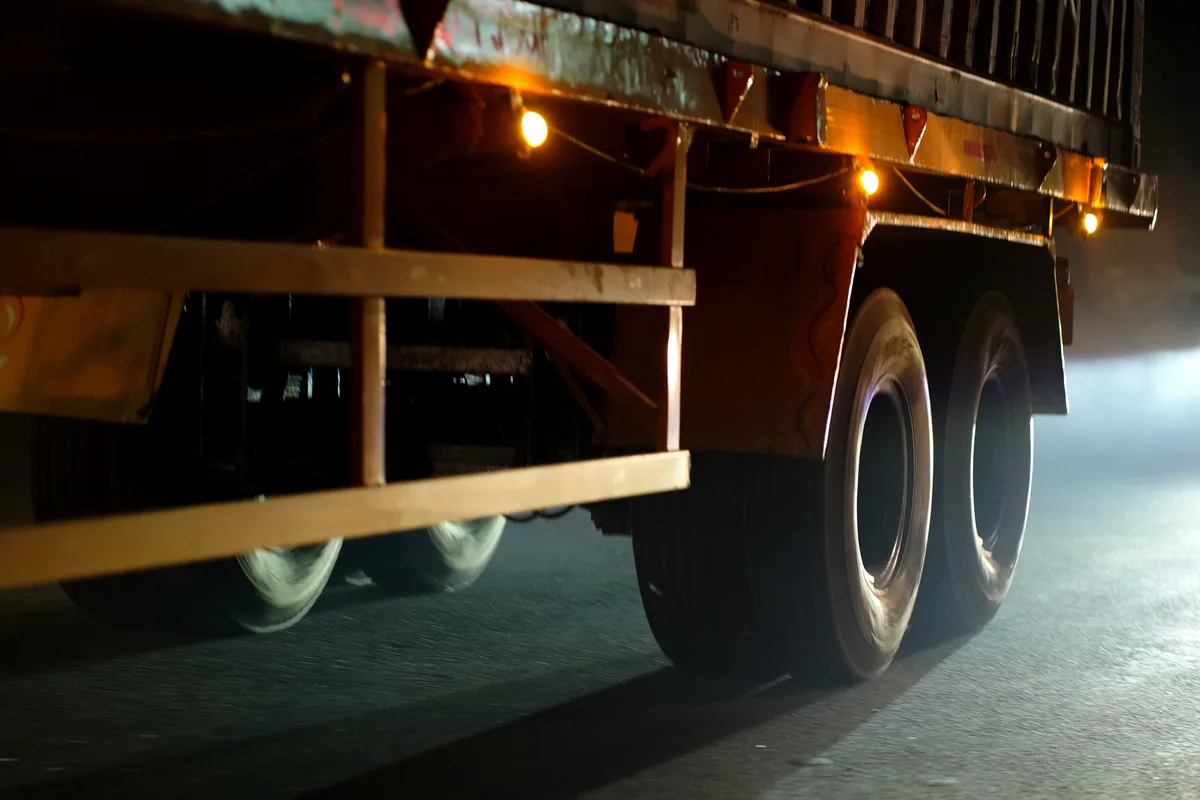
TrailerFree-rolling axles
Free-rolling tires that neither steer nor drive, so they are built for scrub resistance and low rolling resistance rather than grip. They get dragged sideways every time the rig turns tight, and that is what kills them. Cheapest tire per mile of the three positions.
All-positionFits anywhere
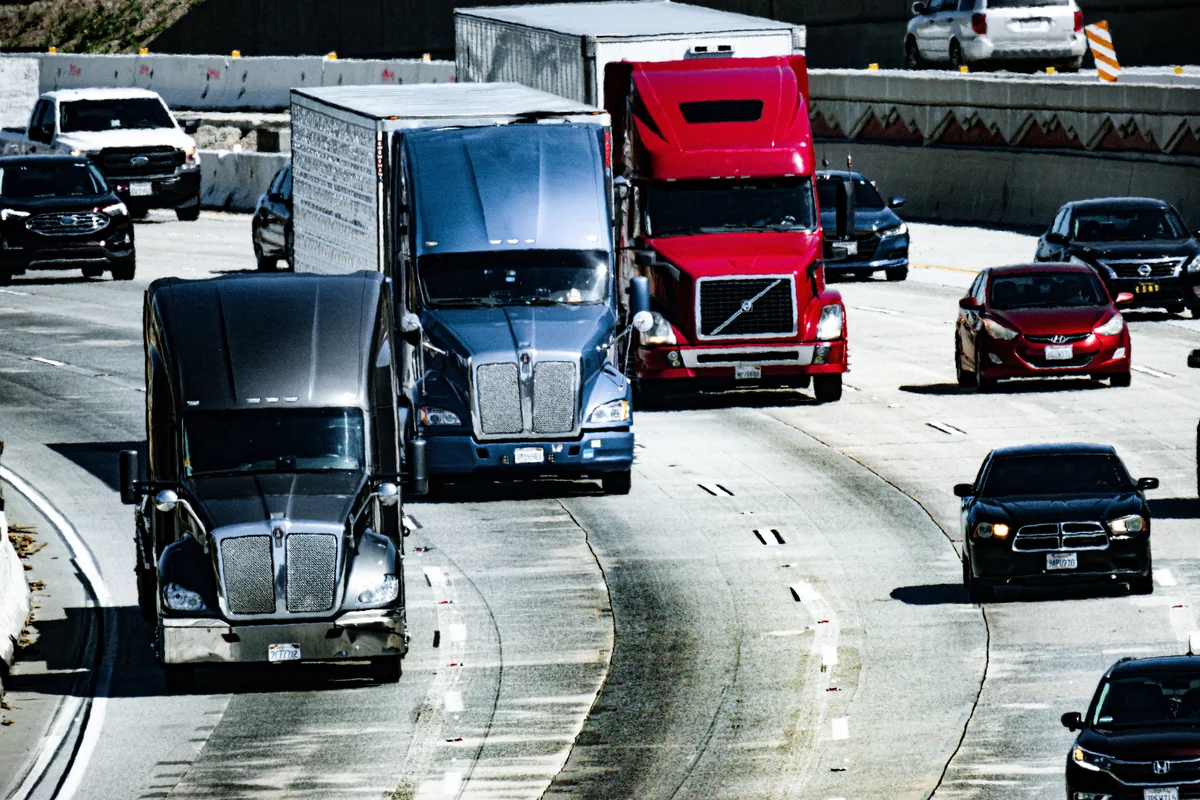
A rib tread that is approved for any axle. Common on dump trucks, mixers, buses and anything that does not run enough miles to justify three separate tire programs. It is a compromise: less traction than a drive tire, shorter life than a dedicated trailer tire.
Every size, by wheel diameter
Prices are per tire at the retailers we track, from the cheapest casing that is actually in stock to premium. 3,367 tires across 26 sizes, read September 2026.
24.5 inch
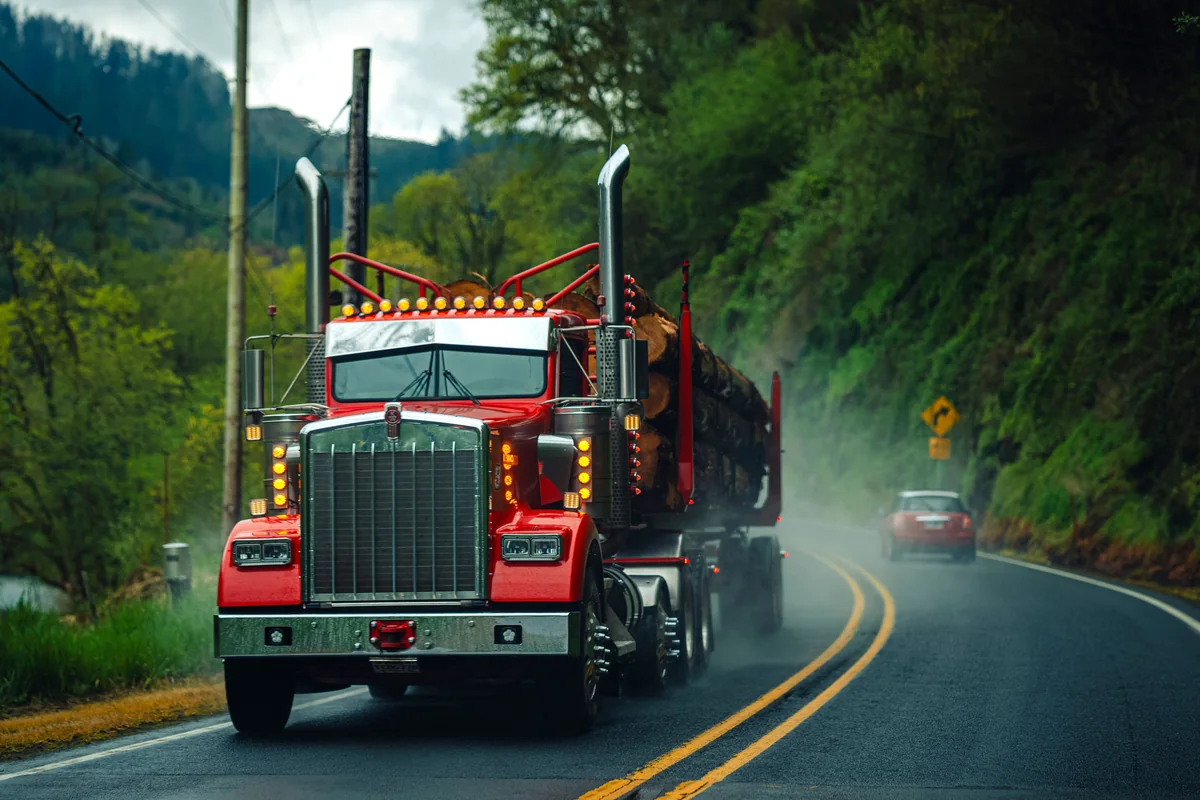
The taller of the two class 8 wheel sizes. A 24.5 rolls further per revolution than a 22.5, which suits long-haul work, and it is what most older sleeper tractors and their trailers ride on. Aluminium wheels in this size are still easy to find, but new tractors are increasingly ordered on 22.5.
22.5 inch
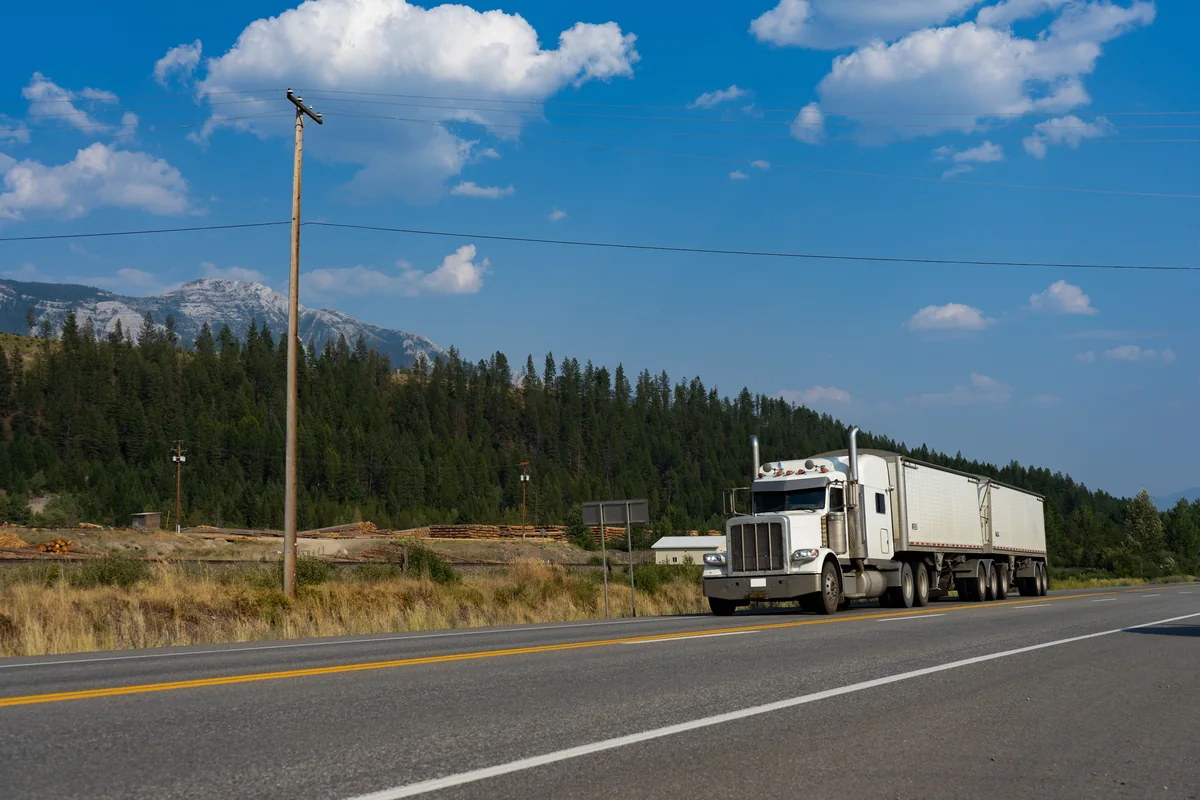
The default size for heavy trucks in the US. Everything from a day cab to a dump truck to a coach runs 22.5, and the choice within the size is the real decision: standard profile like 11R22.5, low profile like 295/75R22.5, or a wide-base single that replaces a whole dual pair.
19.5 inch
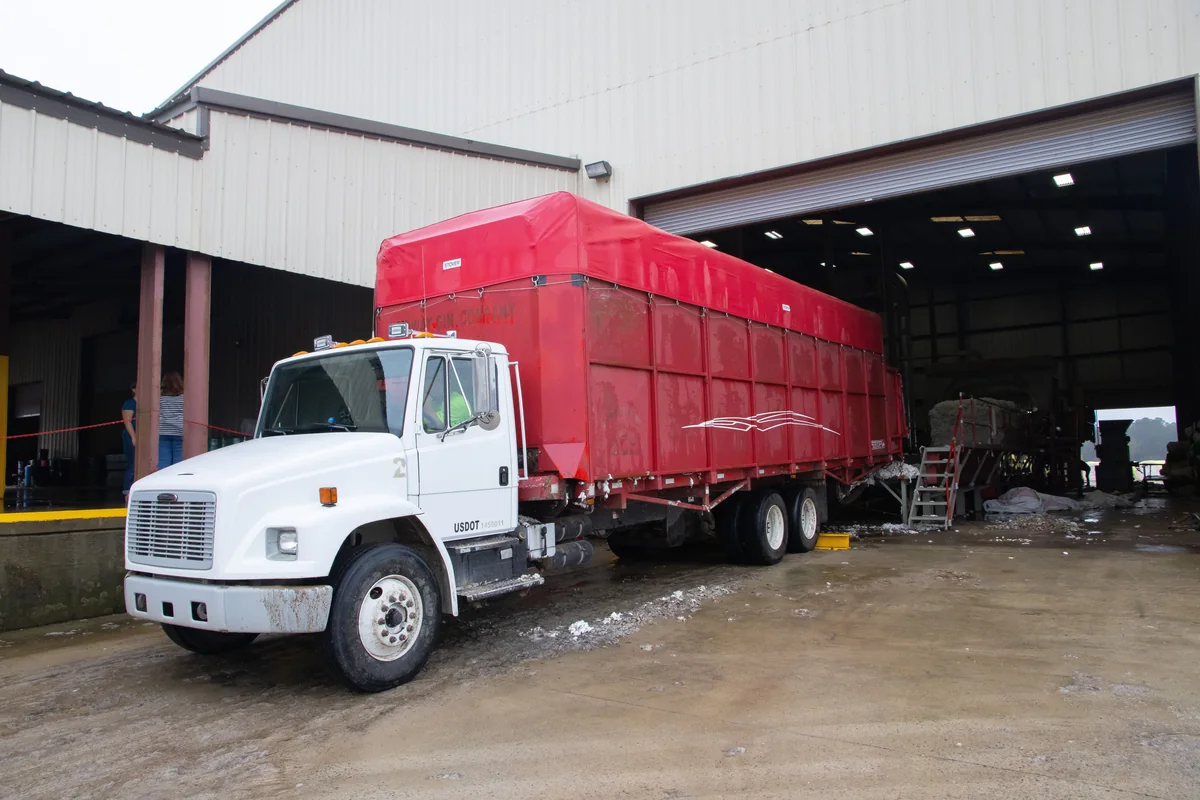
Medium-duty. Box trucks, class 4 to 6 chassis, larger motorhomes, tow trucks and dual-rear-wheel one-ton conversions. A 19.5 tire costs a third of what a 22.5 costs and carries far more than a light-truck tire, which is why it is the size RV owners get pushed into when an LT tire is not enough.
17.5 inch
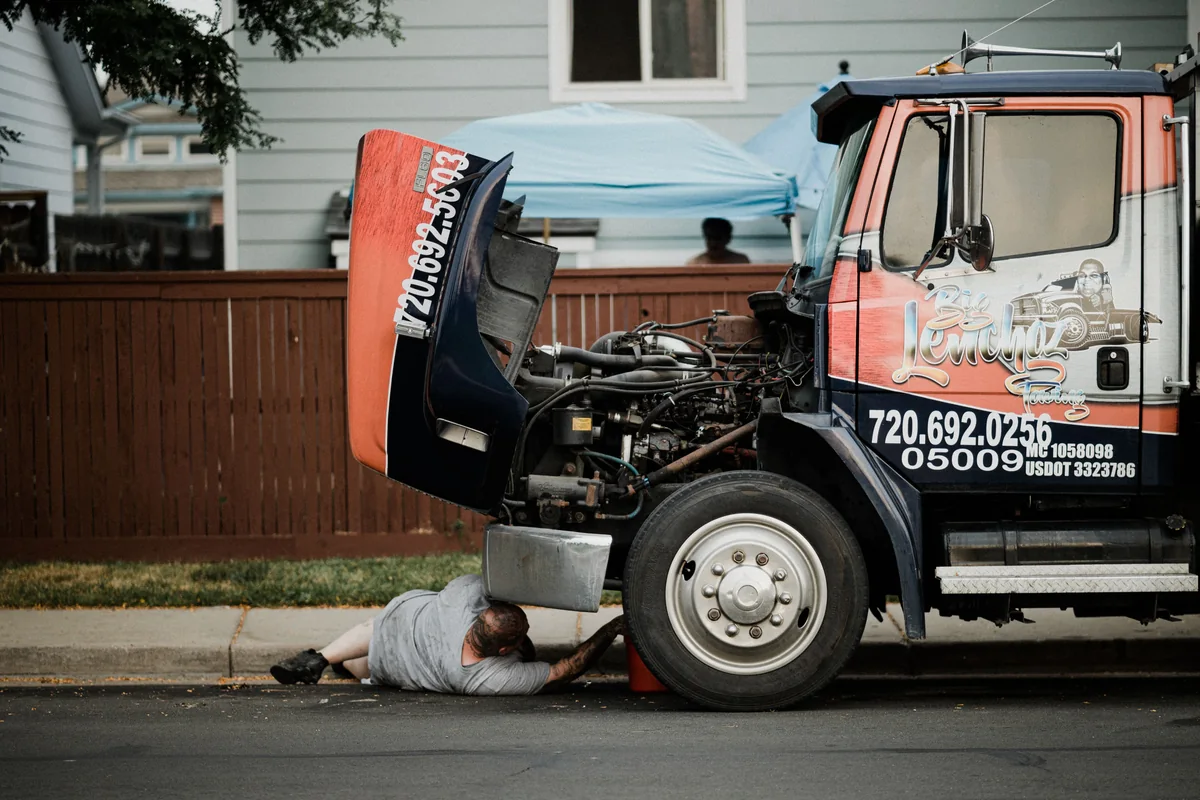
The lightest of the commercial sizes, on class 3 to 5 trucks, big vans, landscape and utility bodies and some heavy trailers. It is the step above LT and below a real medium-duty size, and it is the cheapest way into a load rating an LT tire cannot reach.
What a set actually costs
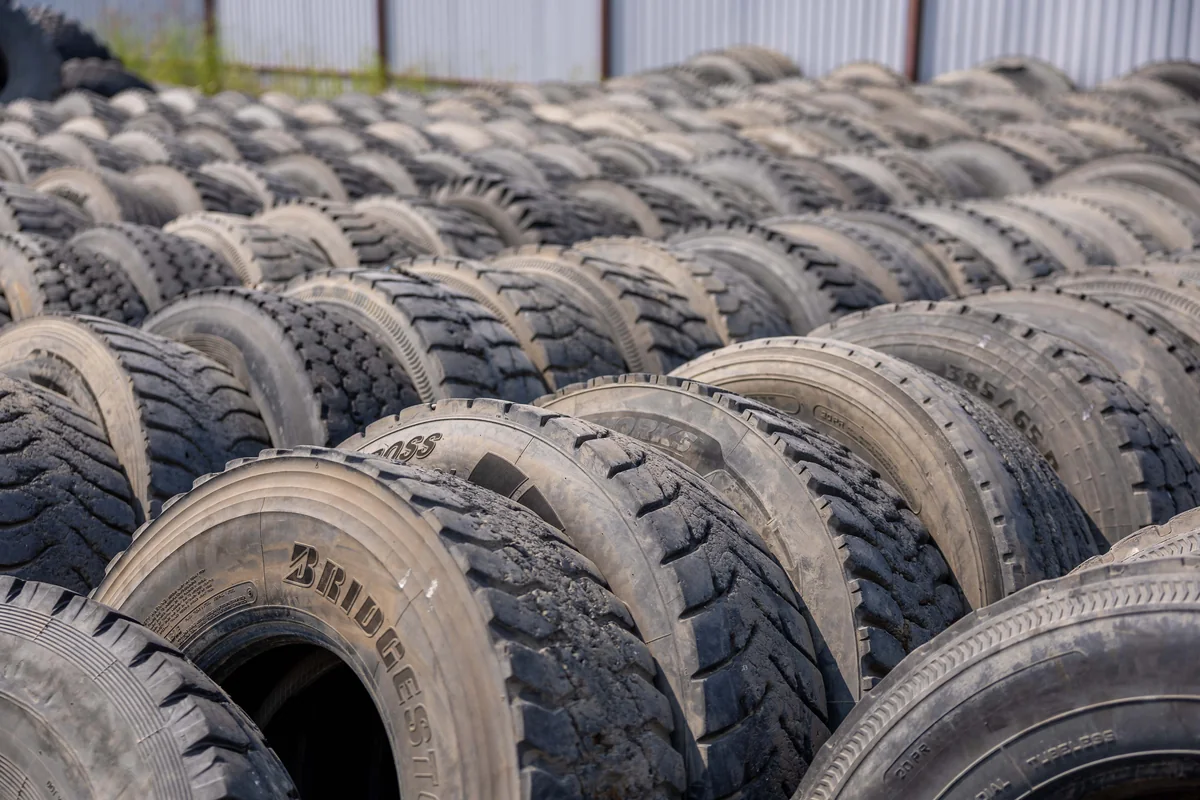
Nobody buys one commercial tire. These are mid-range prices for the tires a rig needs at once, in the two sizes most tractors run.
| What you are buying | Tires | 11R22.5 | 295/75R22.5 |
|---|---|---|---|
| Steer axle | 2 | $974–$1,196 | $930–$1,112 |
| One drive axle (duals) | 4 | $1,948–$2,392 | $1,860–$2,224 |
| Tractor: steer plus tandem drives | 10 | $4,870–$5,980 | $4,650–$5,560 |
| Trailer tandems | 8 | $3,896–$4,784 | $3,720–$4,448 |
| Whole tractor-trailer | 18 | $8,766–$10,764 | $8,370–$10,008 |
Tires only. Mounting, balancing, valve stems and disposal are on top, and a commercial shop charges by the wheel position.
Watching pressure across eighteen tires
A light-truck tire at 65 to 80 PSI loses heat tolerance fast when it drops even ten pounds, and a dually inner tire can run flat for miles without anything changing at the steering wheel. Checking cold pressure with a gauge is still the baseline; a monitor is what tells you about the slow leak between checks.
- Count every wheel first
- Truck plus trailer, spare included if you want it watched. Systems are sold for 4 up to 34 wheels, and adding sensors later means matching the same series.
- Cap or flow-thru sensor
- A cap sensor screws onto the valve and has to come off to add air. A flow-thru costs more and lets you inflate through it, which matters on a dually inner wheel you can barely reach.
- Check the pressure ceiling
- Passenger tires run around 35 PSI, LT tires 65 to 80, and a 22.5 inch commercial tire 110 to 120. A monitor rated to 188 PSI covers all of it; a car-only unit does not.
- Signal length on a long rig
- Sensors reach roughly 36 feet in open air. A 40 foot motorhome towing a car usually needs a repeater, and it is rarely in the box.
- Sensor batteries and theft nuts
- Expect to change a coin cell every year or two. The lock nuts that come in the service kit are what keep a $35 sensor from walking off at a rest stop.
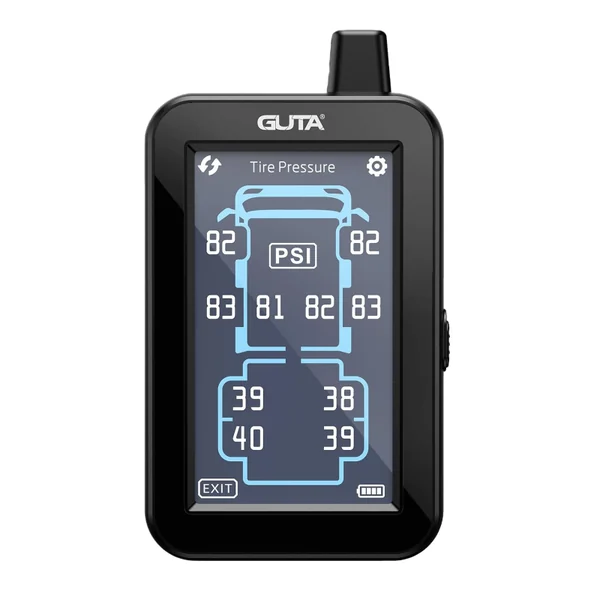 GT804 to 12 sensorsFrom$219.99
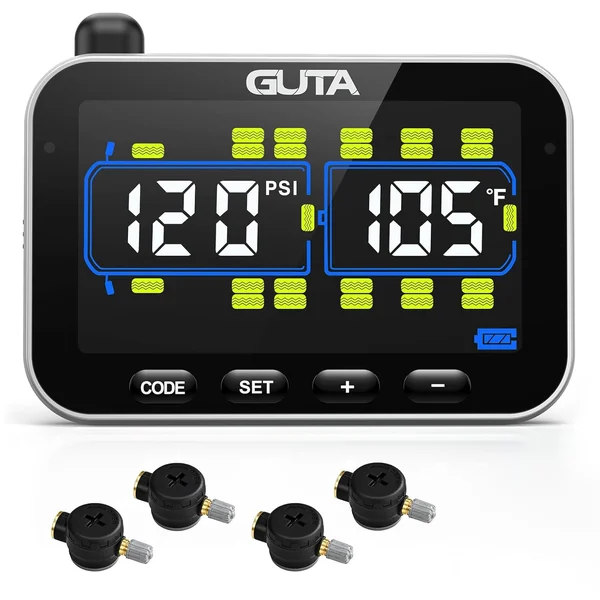 GT20 flow-thru4 to 12 sensorsFrom$189.99
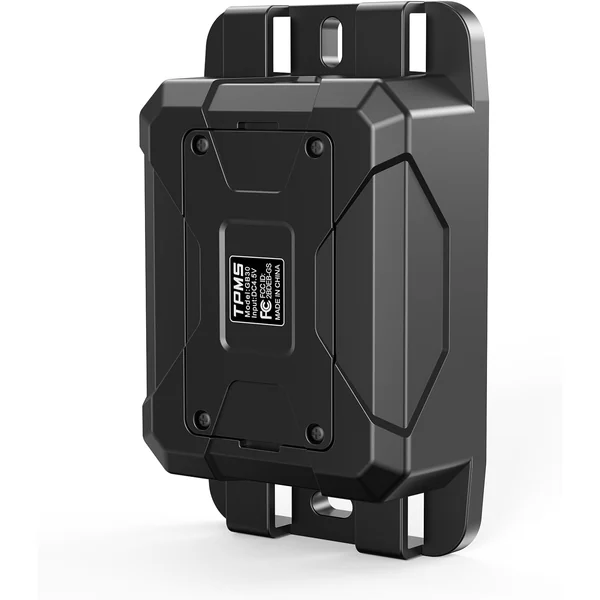 GB30 signal boosterAdd-on part$48.99
Tire pressure monitors for RVs, trailers and semis, $150 to $220 a system.
Trailer tires are a different animal
Everything above rides under a truck. A travel trailer, boat trailer or car hauler runs ST tires on ordinary whole-inch wheels, built for a free-rolling axle and nothing else. Those have their own page.

Commercial truck tires: common questions
How many tires does a semi need?
Eighteen on a standard tractor-trailer: two steer, eight drive on the tractor's two rear axles, and eight on the trailer's tandem axles. A day cab with a single drive axle runs ten, and a straight truck runs six or ten depending on the axles.
What does the R in 11R22.5 mean?
Radial construction, the same as in a car size. The 11 is the section width in inches rather than millimetres, and 22.5 is the wheel diameter in inches. A metric commercial size like 295/75R22.5 reads the same way as a car size: 295 mm wide, sidewall 75 percent of that, 22.5 inch wheel.
How much tread does a commercial tire legally need?
Federal rules set 4/32 inch on the steer axle and 2/32 inch on every other axle, measured in a major tread groove. Most fleets pull steer tires well before 4/32 and send drive and trailer casings for retreading rather than running them to the limit.
What is load range G, H and J?
The modern name for what used to be called ply rating. G is 14 ply rating, H is 16 and J is 18. The letter tells you the maximum inflation pressure the casing is built for, and with it the load the tire can carry: a load range G 11R22.5 typically carries less than the same tire in H, at a lower cold pressure.
Can you put trailer tires on a truck, or truck tires on a trailer?
Not across the light and heavy worlds. ST trailer tires are built for a free-rolling axle and are not rated for a steering or driven axle at all. Within heavy truck sizes, a tire marked for trailer position is legal to fit anywhere it physically fits, but it will wear badly on a drive axle and it is not built to steer.
Is a retread worth it?
On drive and trailer positions it is standard fleet practice and it roughly halves the cost per position. The casing matters more than the tread: a premium casing can be retreaded two or three times, a cheap one often not at all, which is why the lowest price per new tire is rarely the lowest cost per mile.