
265/70R19.5 truck tires
The tall 19.5. 31 in stock across 8 brands, from $205 per tire.
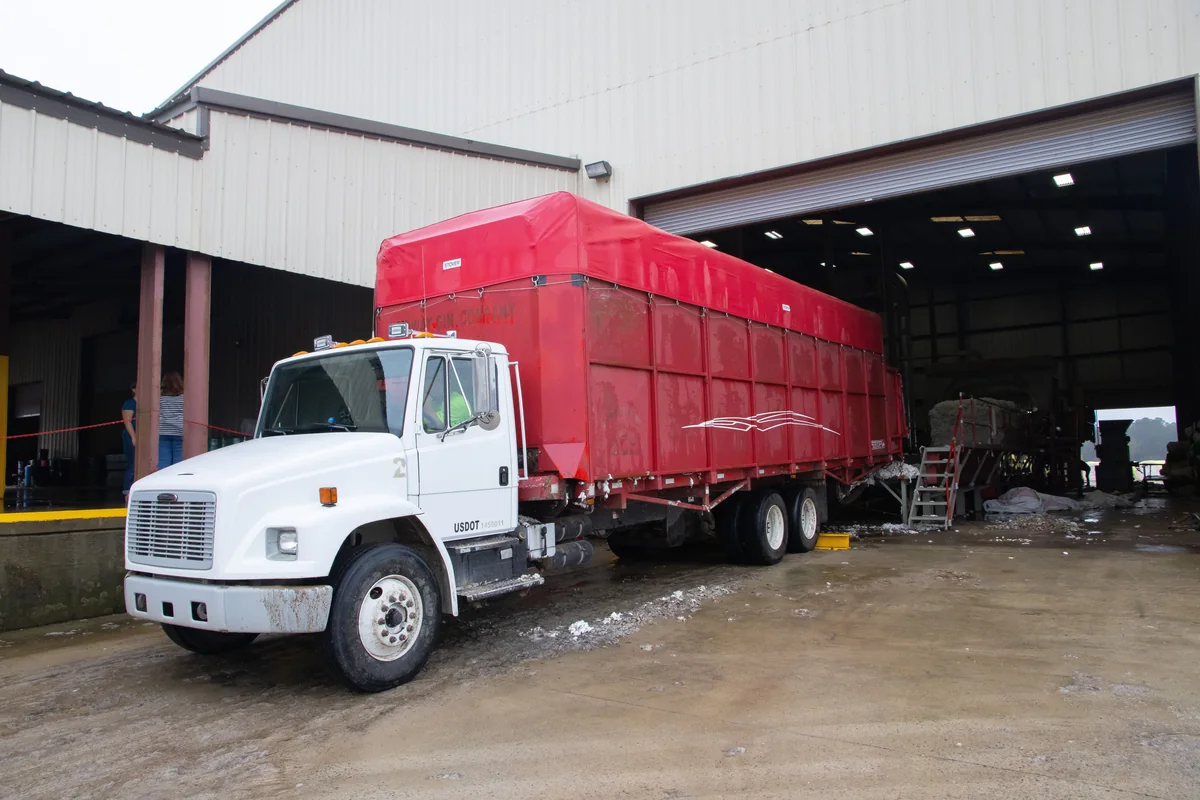
The largest of the common 19.5 sizes, on heavier class 5 and 6 trucks and on motorhome chassis that need more load than a 245 can carry.
What it costs
| Level | Per tire | Steer pair | Drive axle (4) | Tractor (10) |
|---|---|---|---|---|
| Budget | $205–$233 | $410–$466 | $820–$932 | $2,050–$2,330 |
| Mid-range | $234–$344 | $468–$688 | $936–$1,376 | $2,340–$3,440 |
| Premium | $399–$626 | $798–$1,252 | $1,596–$2,504 | $3,990–$6,260 |
Per tire, before mounting. The median 265/70R19.5 sells for $277.
Which positions this size comes in
Not every size is made for every axle. These are the positions 265/70R19.5 is actually sold in.
All-positionFits anywhere
A rib tread that is approved for any axle. Common on dump trucks, mixers, buses and anything that does not run enough miles to justify three separate tire programs. It is a compromise: less traction than a drive tire, shorter life than a dedicated trailer tire.
SteerFront axle
The two tires that carry the front axle and do the steering. They wear evenly in ribs rather than blocks, run the highest load per tire on the rig, and are the one position where federal rules ask for more tread: 4/32 inch, against 2/32 for everything else. A steer tire is also the position nobody retreads on a tractor pulling on public roads.
TrailerFree-rolling axles
Free-rolling tires that neither steer nor drive, so they are built for scrub resistance and low rolling resistance rather than grip. They get dragged sideways every time the rig turns tight, and that is what kills them. Cheapest tire per mile of the three positions.
DrivePowered axles
The tires that put the engine's torque on the road, usually eight of them in dual pairs on two axles. Deep, blocky lug tread for traction, which is why they are noisier and wear faster than a steer tire. This is the position where a good retread saves real money.
Load index and speed rating

The most common markings on 265/70R19.5 are 140/138M, 140/138L and 143/141K. The pair of numbers is the load index single and dual: the first is what one tire carries on its own, the second what it carries as one of a dual pair, which is always the lower figure. The letter is the speed rating, and on commercial tires it is low by car standards on purpose.
Three 265/70R19.5 tires, cheapest to dearest
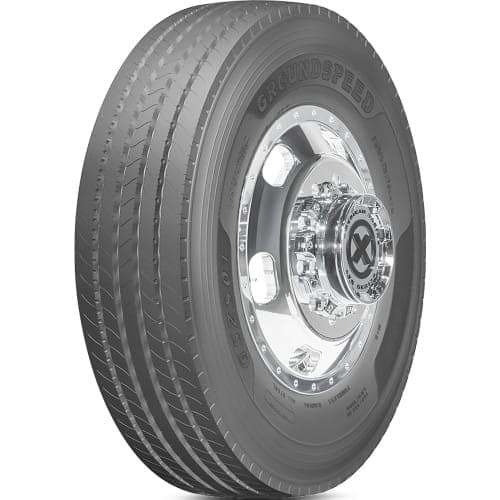 Groundspeed GSZS01 265/70R19.5 135/133M Commercial Tires$196.99
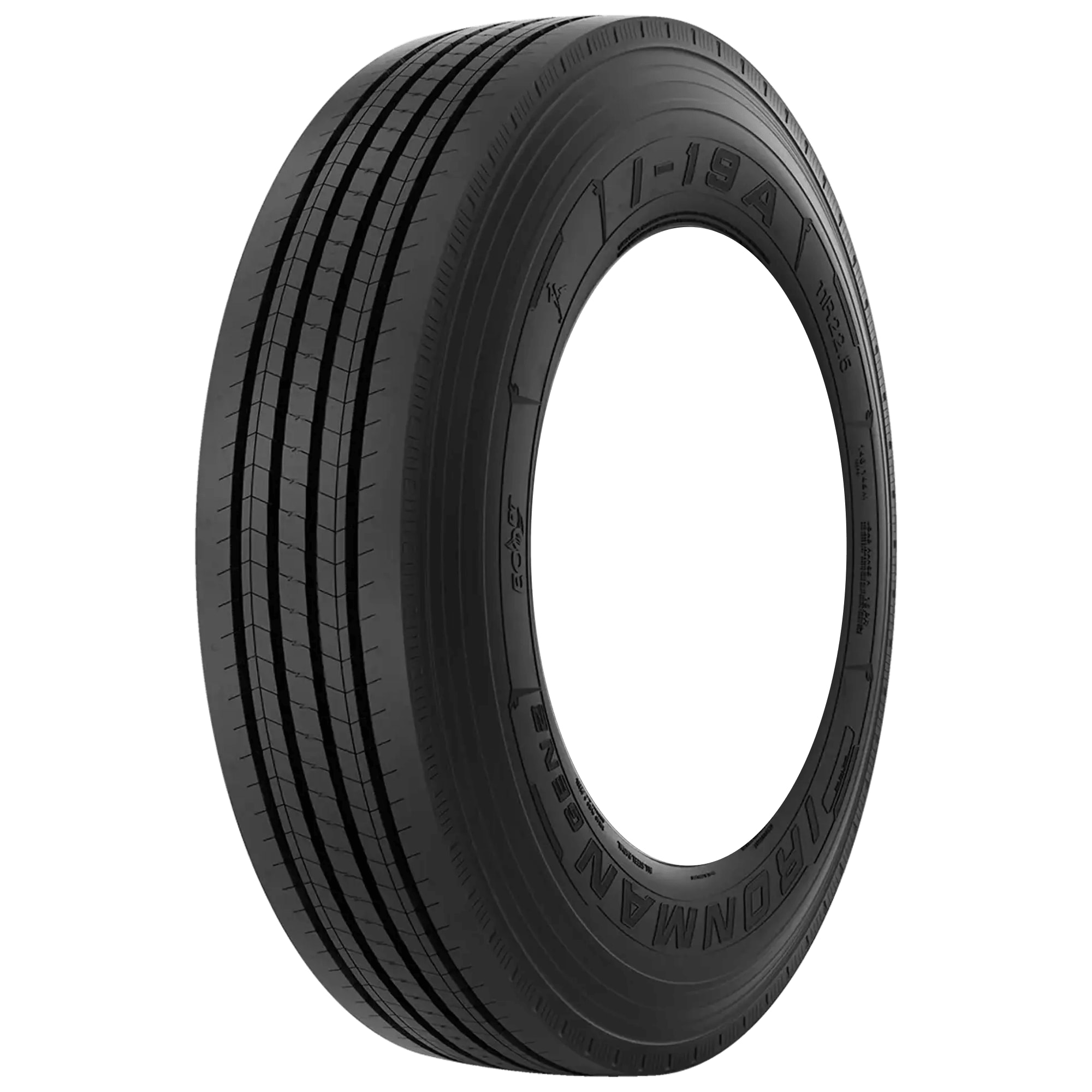 Ironman GEN2 I-19A 265/70R19.5 143/141K Commercial Tires$277.99
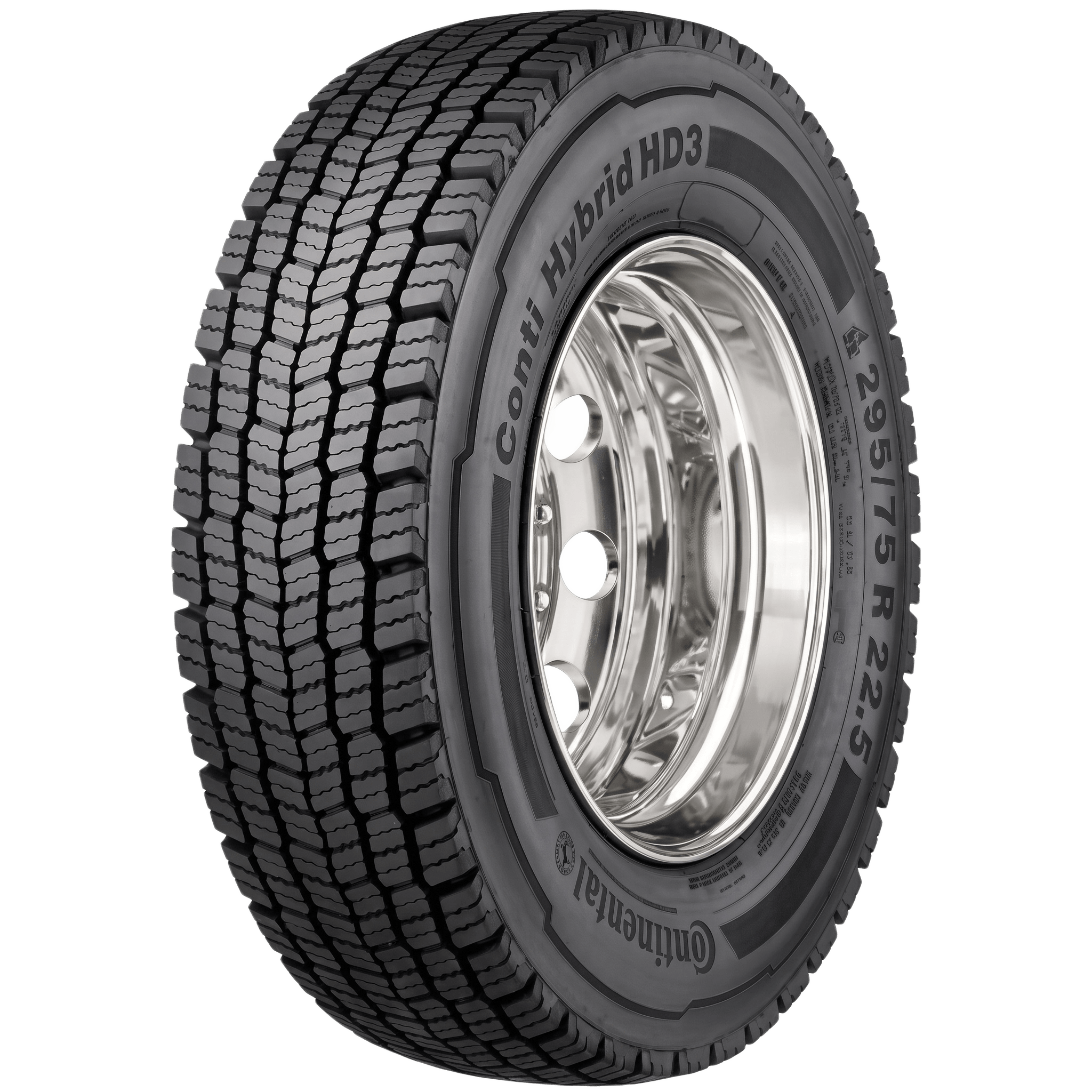 Continental Conti Hybrid HD3 265/70R19.5 140M Commercial Tires$626.08
Prices at SimpleTire, read September 2026. One tire, before mounting.
Who makes it
The brands with the most 265/70R19.5 listings right now: Advance, Arisun, Continental, Goodyear, Double Coin, Hankook, Armstrong and Falken. On a commercial tire the casing is worth more than the tread, so a premium brand is not only paying for the first life; it is paying for two or three retreads afterwards.
The size people cross-shop against it
245/70R19.5 – Medium-duty workhorse, median $229 against $277 here.
Wheel diameter has to match. A low-profile and a standard-profile tire on the same rim are interchangeable on the wheel but not in rolling circumference, so never mix them across a drive axle.