

Subaru tire sizes
9 Subaru models, with the original tire size for each year range and what that size costs today, from $50 per tire.
We cover 9 Subaru models across 24 factory fitments, spanning model years 1998 to 2024. The size that turns up most often on a Subaru is 225/55R18, followed by 225/60R17 and 225/65R17. Wheel diameters run from 15 to 20 inches, so the trim and wheel package matter as much as the model year.
Subaru does not stamp an approval code on tires the way Porsche and BMW do, so any tire in the right size that meets the load index and speed rating on the door placard is a legitimate replacement. Pick on wet braking, tread life and price instead.
Pick your model below to see the size for every year and trim, what it costs from budget to premium, and which tires are worth buying in that size. If you already know your size, search by size instead, and if you are not sure where to find it, our guide on reading a tire size shows exactly where the placard sits.
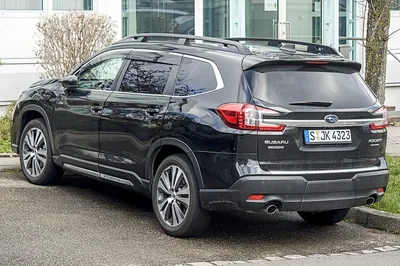 Ascent
2019-2024 · 2 sizes
245/60R18 from $115
Ascent
2019-2024 · 2 sizes
245/60R18 from $115
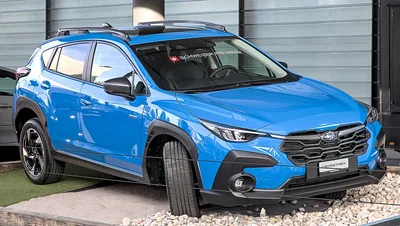 Crosstrek
2024-2024 · 1 size
225/55R18 from $95
Crosstrek
2024-2024 · 1 size
225/55R18 from $95
 Forester
1998-2024 · 6 sizes
225/60R17 from $75
Forester
1998-2024 · 6 sizes
225/60R17 from $75
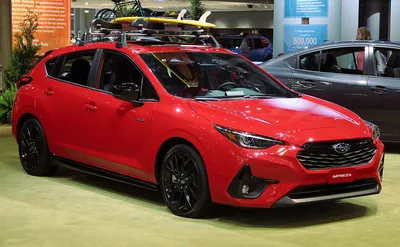 Impreza
2008-2023 · 3 sizes
225/40R18 from $95
Impreza
2008-2023 · 3 sizes
225/40R18 from $95
 Legacy
2015-2024 · 3 sizes
225/55R18 from $95
Legacy
2015-2024 · 3 sizes
225/55R18 from $95
 Outback
2000-2024 · 4 sizes
225/65R17 from $75
Outback
2000-2024 · 4 sizes
225/65R17 from $75
 Solterra
2023-2024 · 1 size
235/60R18 from $95
Solterra
2023-2024 · 1 size
235/60R18 from $95
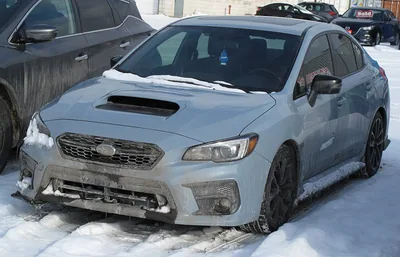 WRX
2015-2024 · 3 sizes
235/45R18 from $95
WRX
2015-2024 · 3 sizes
235/45R18 from $95
 WRX STI
2015-2021 · 1 size
245/40R18 from $95
WRX STI
2015-2021 · 1 size
245/40R18 from $95
Subaru sells around 650,000 vehicles a year in the United States, and this is by far its most important market. The Outback, Forester and Crosstrek carry the volume, with the Ascent as the three-row and the WRX and BRZ as the enthusiast models. Almost every Subaru has symmetrical all-wheel drive as standard, which is the brand's whole identity and also the single most important thing about buying tires for one.
The reputation is winter capability and longevity in snow states and mountain towns.
Tires on a Subaru
Subaru stamps no approval code on its tires, so the placard is the complete specification, but Subaru has a stricter requirement than most makes that do use codes: because the all-wheel-drive system is permanently engaged, all four tires must be closely matched in circumference, and Subaru's own guidance is to keep them within a quarter of an inch. Replacing one damaged tire on a car with three worn ones is the classic Subaru mistake and can put real strain on the center differential or, on CVT cars, the transfer clutch; the usual fixes are to buy four, or to have the new tire shaved down to match. Fitments are square across the range, so rotation is straightforward and should be done on schedule for the same reason.
Sizes are ordinary: an Outback runs 225/65R17 or 225/60R18, a Forester 225/60R17 or 225/55R18, a Crosstrek 225/55R18, an Ascent 245/60R18 or 245/50R20. The WRX is the exception at 235/45R18 or 245/40R18 on Limited and GT trims, with summer tires from the factory on some versions. Most Subaru owners in snow country run a dedicated winter set on separate wheels, which also solves the matching problem by keeping the two sets independent.
The models that matter
The Outback is the volume model, on 225/65R17 on 2.5i trims and 225/60R18 on Premium and Limited. The Forester runs 225/60R17 on base trims and 225/55R18 on Premium, Sport and Limited. The Crosstrek uses 225/55R18, the Ascent 245/60R18 or 245/50R20, and the Legacy 225/55R17 or 225/55R18.
The WRX takes 235/45R18 or 245/40R18.
What owners find out later
The quarter-inch circumference rule is the fact that separates Subaru from every other volume brand: buying one tire instead of four is not merely untidy, it loads the all-wheel-drive system continuously, and tire shaving exists as a service largely because of Subarus. Most Subarus carry a temporary spare that is deliberately close in diameter to the fitted tires for the same reason, and it should still only be used briefly. Subaru's direct TPMS needs a relearn on several models after a wheel swap.
Because so many owners run two sets of wheels, the most common real-world error is fitting a winter set whose overall diameter differs from the summer set by more than the system tolerates.
Did you know?
- Subaru's all-wheel drive requires all four tires within about a quarter inch of circumference, which is why tire shaving is a service Subaru owners actually use.
- The United States is Subaru's largest market by a wide margin, ahead of Japan.
- Subaru's spare tires are sized closer to the fitted tires than most makes, specifically to protect the drivetrain.