

Audi tire sizes
16 Audi models, with the original tire size for each year range and what that size costs today, from $70 per tire.
We cover 16 Audi models across 29 factory fitments, spanning model years 2006 to 2024. The size that turns up most often on a Audi is 245/40R18, followed by 255/40R20 and 265/45R21. Wheel diameters run from 17 to 21 inches, so the trim and wheel package matter as much as the model year.
Audi approves specific tires. AO marks an Audi approval, RO1 an approval for the RS models. Audi's approval covers noise and rolling resistance as well as grip, which is why an AO tire is often quieter on an Audi than the same model without the marking. RO1 tires are built for the higher loads of an RS car.
Pick your model below to see the size for every year and trim, what it costs from budget to premium, and which tires are worth buying in that size. If you already know your size, search by size instead, and if you are not sure where to find it, our guide on reading a tire size shows exactly where the placard sits.
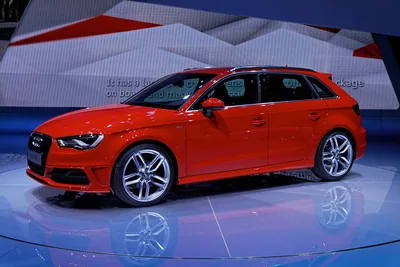 A3
2006-2013 · 1 size
225/40R17 from $82
A3
2006-2013 · 1 size
225/40R17 from $82
 A4
2009-2024 · 2 sizes
245/40R18 from $95
A4
2009-2024 · 2 sizes
245/40R18 from $95
 A5
2018-2024 · 1 size
245/40R18 from $95
A5
2018-2024 · 1 size
245/40R18 from $95
 A6
2012-2024 · 3 sizes
245/45R19 from $115
A6
2012-2024 · 3 sizes
245/45R19 from $115
 A7
2012-2018 · 1 size
255/40R20 from $125
A7
2012-2018 · 1 size
255/40R20 from $125
 e-tron
2019-2023 · 1 size
265/45R21 from $135
e-tron
2019-2023 · 1 size
265/45R21 from $135
 e-tron GT
2022-2024 · 2 sizes
265/35R21 from $135
e-tron GT
2022-2024 · 2 sizes
265/35R21 from $135
 Q3
2015-2024 · 2 sizes
235/50R19 from $100
Q3
2015-2024 · 2 sizes
235/50R19 from $100
 Q5
2009-2024 · 2 sizes
235/55R19 from $100
Q5
2009-2024 · 2 sizes
235/55R19 from $100
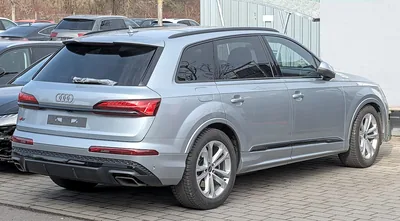 Q7
2007-2024 · 4 sizes
255/55R19 from $100
Q7
2007-2024 · 4 sizes
255/55R19 from $100
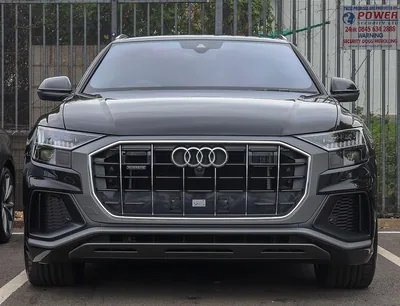 Q8
2019-2024 · 1 size
285/45R21 from $135
Q8
2019-2024 · 1 size
285/45R21 from $135
 Q8 e-tron
2024-2024 · 1 size
265/45R21 from $135
Q8 e-tron
2024-2024 · 1 size
265/45R21 from $135
 R8
2008-2023 · 4 sizes
245/30R20 from $210
R8
2008-2023 · 4 sizes
245/30R20 from $210
 RS7
2014-2018 · 1 size
275/35R20 from $125
RS7
2014-2018 · 1 size
275/35R20 from $125
 S3
2015-2020 · 1 size
235/35R19 from $110
S3
2015-2020 · 1 size
235/35R19 from $110
 S4
2018-2024 · 1 size
245/35R19 from $110
S4
2018-2024 · 1 size
245/35R19 from $110
Audi is Volkswagen Group's premium brand and sells roughly 200,000 vehicles a year in the United States, most of them Q5 and Q7 crossovers rather than sedans. The reputation rests on quattro all-wheel drive, interiors and a quiet ride rather than on outright handling. The lineup runs from the A3 to the Q8 and the electric e-tron models, with the S and RS cars at the top.
Audi has been continuously present in the US since 1970, when the brand replaced the earlier Auto Union imports.
Tires on a Audi
Audi stamps AO on approved tires and RO1 on tires approved for the RS models, and the approval covers rolling noise and rolling resistance as well as grip, which is why an AO tire is often measurably quieter on the car than the same pattern without the marking. Fit a tire without the code and nothing breaks, but you have given up the specification Audi signed the car off on, and on quattro cars you also need all four tires within a close diameter tolerance because the center differential does not tolerate mismatch. Most Audis are square rather than staggered, so a set of four is the normal purchase, with the R8 and e-tron GT as the exceptions: the R8 runs 245/30R20 front and 305/30R20 rear, and the e-tron GT 265/35R21 front and 305/30R21 rear.
Wheel diameters have climbed steeply, from 225/50R17 on a 2009 A4 to 245/40R18 on the current Premium Plus, and a Q7 can be ordered anywhere from 255/55R18 to 285/45R21. The electric models are the heavy ones, an e-tron weighing well over 5,500 pounds, and on 21 inch wheels they go through rear tires fast enough that many owners deliberately drop a wheel size to get sidewall and mileage back.
The models that matter
Q5 and Q7 are the volume models: the Q5 on 235/60R18 or 235/55R19, the Q7 on 255/55R19, 285/45R20 or 285/45R21 depending on trim. The A4 runs 225/50R17 and 245/40R18, the A6 245/45R19 and 255/40R20. The electric e-tron and Q8 e-tron use 265/45R21, and the Q8 shares the 285/45R21 fitment with the larger Q7 trims.
What owners find out later
Audi's 20 and 21 inch packages leave so little sidewall that a bent rim from a pothole is a routine insurance claim rather than bad luck, and 285/45R21 in particular is expensive to replace in a hurry. Most Audis now ship with no spare, or with a collapsible one that needs its own compressor. Several models use indirect TPMS that reads wheel speed instead of pressure sensors, which means a reset through the MMI screen after any tire change and no warning at all if all four tires drop together over a winter.
Did you know?
- Audi's AO marking covers cabin noise and rolling resistance, not just grip, so a non-AO tire in the same size can be audibly louder.
- RO1 is a separate approval reserved for the RS models and built for their higher loads.
- Several Audis use indirect TPMS with no sensors in the wheels, so the system is reset in the car's menus rather than at the tire shop.