

BMW tire sizes
16 BMW models, with the original tire size for each year range and what that size costs today, from $65 per tire.
We cover 16 BMW models across 40 factory fitments, spanning model years 1968 to 2024. The size that turns up most often on a BMW is 195/65R14, followed by 245/45R18 and 225/45R18. Wheel diameters run from 13 to 22 inches, so the trim and wheel package matter as much as the model year.
BMW approves specific tires. BMW-approved tires carry a star on the sidewall. The star means BMW signed off on that exact tire for that car. Many BMWs also leave the factory on run-flats, marked RSC or with the maker's own code such as ZP or MOE, and BMW's own advice is not to mix run-flat and standard tires on the same car.
Pick your model below to see the size for every year and trim, what it costs from budget to premium, and which tires are worth buying in that size. If you already know your size, search by size instead, and if you are not sure where to find it, our guide on reading a tire size shows exactly where the placard sits.
 2002
1968-1976 · 1 size
185/70R13 from $65
2002
1968-1976 · 1 size
185/70R13 from $65
 3 Series
1984-2024 · 8 sizes
195/65R14 from $75
3 Series
1984-2024 · 8 sizes
195/65R14 from $75
 4 Series
2014-2020 · 1 size
225/40R19 from $110
4 Series
2014-2020 · 1 size
225/40R19 from $110
 5 Series
2011-2024 · 2 sizes
245/45R18 from $95
5 Series
2011-2024 · 2 sizes
245/45R18 from $95
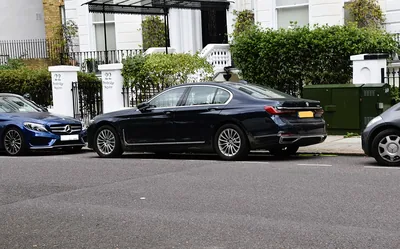 7 Series
2016-2022 · 2 sizes
245/45R19 from $115
7 Series
2016-2022 · 2 sizes
245/45R19 from $115
 i4
2022-2024 · 1 size
245/45R18 from $95
i4
2022-2024 · 1 size
245/45R18 from $95
 iX
2022-2024 · 2 sizes
255/50R20 from $128
iX
2022-2024 · 2 sizes
255/50R20 from $128
 M3
1988-1991 · 1 size
205/55R15 from $75
M3
1988-1991 · 1 size
205/55R15 from $75
 M340i
2020-2024 · 2 sizes
245/35R19 from $110
M340i
2020-2024 · 2 sizes
245/35R19 from $110
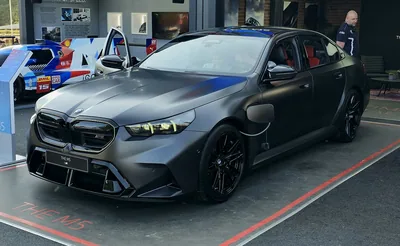 M5
2018-2023 · 1 size
275/35R20 from $125
M5
2018-2023 · 1 size
275/35R20 from $125
 X3
2011-2024 · 3 sizes
225/60R18 from $95
X3
2011-2024 · 3 sizes
225/60R18 from $95
 X3 M
2020-2024 · 1 size
275/35R21 from $135
X3 M
2020-2024 · 1 size
275/35R21 from $135
 X4
2019-2024 · 1 size
245/50R19 from $130
X4
2019-2024 · 1 size
245/50R19 from $130
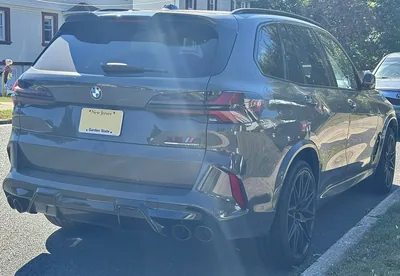 X5
2007-2024 · 6 sizes
275/45R20 from $128
X5
2007-2024 · 6 sizes
275/45R20 from $128
 X6
2015-2024 · 2 sizes
305/40R20 from $200
X6
2015-2024 · 2 sizes
305/40R20 from $200
 X7
2019-2024 · 2 sizes
275/40R22 from $150
X7
2019-2024 · 2 sizes
275/40R22 from $150
BMW sells around 370,000 vehicles a year in the United States and has been the best-selling German premium brand here in most recent years. The volume is in the X3, X5 and X7 crossovers rather than the 3 Series that built the reputation, and the electric i4 and iX are now a meaningful share. BMW's name rests on chassis balance and straight-six engines, with the M division at the top of almost every model line.
It also owns MINI and Rolls-Royce.
Tires on a BMW
BMW marks approved tires with a star on the sidewall, and it is the most widely recognized OE code in the industry; Wikipedia's tire code reference lists the asterisk as original tires for BMW. The star means BMW tested and signed off that exact tire on that exact car, while the same pattern without a star is built to the tire maker's own specification and can differ in construction, noise and load rating at the same size. BMW is also the brand most associated with run-flats, which arrive marked RSC or with the maker's own code such as ZP or MOE, and BMW's own guidance is not to mix run-flat and conventional tires on one car.
Staggered fitments are normal from the 3 Series upward: an M340i runs 245/35R19 front and 255/35R19 rear, a current X5 on 20s runs 275/45R20 front and 305/40R20 rear, and an X7 goes to 275/40R22 and 315/35R22. The electric iX weighs close to 5,700 pounds and wears 255/50R20 or 265/45R21, and rear tire life is short enough that many owners choose the smaller wheel deliberately. The most common replacement decision on any BMW is whether to stay on run-flats or move to conventional tires and carry a plug kit.
The models that matter
The X3 is the volume model, on 225/60R18, 245/50R18 or 245/50R19. The X5 runs 255/55R18 on older cars and staggered 20 and 22 inch sets on current ones. The 3 Series takes 225/45R18 in base form and staggered 225/40R19 with 255/35R19 in M Sport trim, and the 5 Series 245/45R18 with a 275/35R19 rear on M Sport.
The electric i4 uses 245/45R18 on the eDrive40.
What owners find out later
Because run-flats let BMW delete the spare, most BMWs have no spare wheel and often no jack, which means a sidewall cut ends the trip even on a conventional tire. Moving from run-flats to standard tires improves ride quality noticeably but leaves you with no get-home option unless you buy a kit. BMW's TPMS on many models is indirect, reading wheel speed rather than pressure, so it must be reset through iDrive after every tire change and will not warn you if all four tires lose pressure evenly.
Did you know?
- The star on a BMW tire sidewall is a full homologation, not a badge, and the same tire model without it is built to a different specification.
- Many BMWs ship with no spare tire and no jack, because the run-flat tires are treated as the get-home provision.
- A current X7 uses a 315/35R22 rear, wider than the front tire of a 1990s Corvette.